
Manual Handling Safety Training
Most workplace back and shoulder injuries come from everyday lifting, carrying and pushing — not dramatic accidents. NIST Global's Manual Handling Safety Training builds simple, consistent habits and the TILEE assessment method to cut musculoskeletal injuries, in line with the Factories Act, BOCW and ISO 45001. Delivered on-site or virtually across India.
🛡️ Don't wait for an injury · Get expert guidance now
The Challenge
Why Manual Handling Injuries Quietly Drain Your Operation
Poor technique, awkward postures and rushed work cause musculoskeletal disorders — the most common, costly and preventable workplace injuries. Most build up slowly, until lost time and claims add up.
MSD injuries
Back, shoulder and joint strains from poor lifting are the leading cause of lost-time injury.
Lost time & claims
Strains mean medical costs, compensation, absenteeism and disrupted production.
Compliance gaps
The Factories Act, BOCW and ISO 45001 expect proper risk control — gaps mean audit findings.
Lost productivity
Inefficient handling causes rework, product damage and micro-stoppages that erode output.
Turn Everyday Lifting Into Safe, Consistent Habits
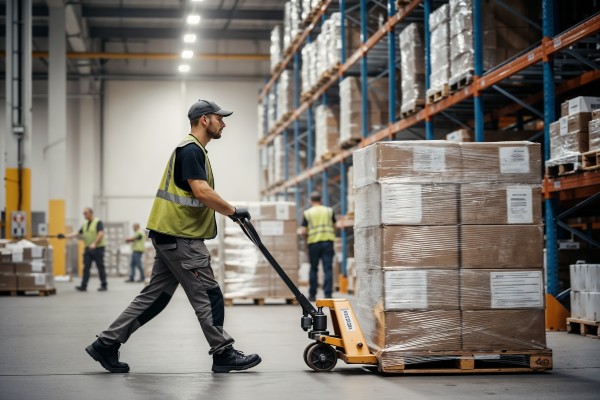
Manual Handling Safety Training is a practical, skills-focused course that helps employees move materials safely and efficiently — reducing musculoskeletal disorders (MSDs), near-misses and productivity loss. It covers lifting, lowering, carrying and pushing/pulling using relatable, India-based scenarios.
Participants gain a step-by-step method to assess and perform tasks using the TILEE approach (Task, Individual, Load, Environment, Equipment), plus correct lifting and team-lift technique, and smart use of mechanical aids such as trolleys, pallet jacks and dollies.
The course also addresses load shaping, route planning, workstation and storage ergonomics, handling bulky or unstable loads, micro-break strategies, pre-lift checklists and early MSD symptom reporting — supporting alignment with Indian workplace safety requirements and measurable reductions in incidents.
Get a Customised Programme →Assess Every Lift with the TILEE Method
TILEE is a simple, five-factor way to assess a manual handling task before you lift. NIST Global's training builds it into a point-of-work habit — Task, Individual, Load, Environment, Equipment.
Look at the job itself. Does it involve twisting, stooping, long carry distances, repetitive lifting or holding loads away from the body? The shape of the task often carries more risk than the weight.
- Twisting, stooping or reaching involved?
- Long carry distance or repetitive lifting?
- Load held away from the body?
- Can the task be redesigned to reduce risk?
Consider the person doing the lift. Capability, training, health, fatigue and even clothing affect risk. The task must suit the individual, not the other way around.
- Trained and physically capable for this lift?
- Any existing injury or fatigue?
- Appropriate footwear and clothing?
- Does this need a team lift instead?
Assess the load itself — not just its weight, but its size, shape, stability and grip. Bulky, unstable, sharp or shifting loads raise risk sharply, even at modest weights.
- Heavy, bulky or hard to grip?
- Unstable or contents likely to shift?
- Sharp, hot or otherwise hazardous?
- Can it be made lighter or easier to hold?
Check the surroundings. Slippery or uneven floors, tight space, poor lighting, steps and extremes of temperature all make handling more dangerous — and are often easy to fix.
- Floor surface even, dry and clear?
- Enough space and good lighting?
- Steps, slopes or obstacles on the route?
- Extreme heat, cold or weather?
Finally, choose the right aid. Trolleys, pallet jacks, dollies and rollers remove much of the manual load — when they're available, suitable and checked before use.
- Is a mechanical aid available and suitable?
- Trolley, pallet jack, dolly or roller?
- Has the aid passed a pre-use check?
- Is the user trained to use it safely?
What Your Team Will Be Able to Do After This Training
Practical, frontline competencies — participants leave able to move materials safely, consistently and efficiently.
TILEE Risk Assessment
Perform point-of-work manual handling assessments using the TILEE method.
Safe Lifting Technique
Apply neutral spine, power zone and stable footing to lift, lower, carry, push and pull.
Team-Lift Communication
Use lift-captain roles and standard calls to make team lifts predictable and safe.
Smart Use of Aids
Select and check trolleys, pallet jacks, dollies and rollers, and shape and route loads well.
Workstation Ergonomics
Set up ergonomic storage and workstations and manage bulky, unstable or fragile loads.
Early Symptom Reporting
Recognise and report early MSD symptoms before they escalate into injuries.
Measurable Value at Every Level of Your Organisation
Whether you lead EHS, run a site, or handle materials hands-on, this training protects health and improves output.
Meets Legal Requirements
Align with the Factories Act & Rules, BOCW and ISO 45001 ergonomics and risk control.
Fewer MSDs & Lost Time
Fewer back and shoulder strains mean lower medical claims and production disruption.
Audit-Ready Practices
Standardised TILEE assessments and checklists create consistent, documented practice.
Higher Throughput
Efficient lifting and use of aids reduce rework, product damage and micro-stoppages.
Consistent Methods Across Sites
Common assessments and coaching create predictable practice for staff and contractors.
Lower Absenteeism & Attrition
Proactive ergonomics and early reporting shorten recovery and retain skilled workers.
Protected Health
Neutral spine, power-zone handling and micro-breaks reduce strain and injury.
Confident Use of Aids
Know when and how to use trolleys, pallet jacks, dollies and rollers safely.
Confidence & Morale
Clear roles in team lifts make work feel predictable, safe and valued.
Built for Everyone Who Lifts, Carries or Moves Materials
Ideal for frontline teams and the supervisors who lead them, across warehouses, shop floors, construction, facilities and healthcare support.
How We Deliver Manual Handling Training
A practical, modular approach blends instruction with hands-on technique practice and real India-based scenarios — so safe habits stick at the point of work.
NIST Global by the Numbers
Our Impact Speaks for Itself
Measurable outcomes across 500+ organisations — because a world-class safety culture is built on data, not assumptions.
Industries We Serve with Manual Handling Training in India
Our training is fully modular and customised to the loads, tasks and risk profile of your workplace.
Warehousing & Logistics
Manufacturing & Production
Construction
Healthcare & Support
Facilities & Housekeeping
Retail & Distribution
Real Experiences from Organisations We've Trained
Trusted by EHS leaders across India's warehousing, manufacturing, construction and healthcare operations.


Frequently Asked Questions About Manual Handling Training
Everything corporate safety leaders need to know about NIST Global's Manual Handling Safety Training.
Strengthen Your Ergonomic & Handling Capability
For deeper expertise in ergonomics and safe handling, explore these complementary NIST Global programmes.
Expert Insights on Safe Handling & Lifting
Practical guidance from NIST Global's HSE experts — helping teams handle materials safely across India.
Top Hazards & Risks of Manual Lifting
The most common manual lifting risks — and how to control them at the point of work.
Read article →Top 3 Hazards & Risks of Manual Lifting & Handling
Three critical handling risks every workplace should plan to prevent.
Read article →Top Key Factors for Safe Rigging & Lifting
The fundamentals of safe lifting that extend from manual handling to mechanical lifts.
Read article →Get a Manual Handling Programme Built Around Your Workplace
Tell us about your tasks and loads and we'll design a modular, customised Manual Handling Safety Training programme — delivered on-site at your location or virtually across India.
- ✓Modular content tuned to your risk profile
- ✓Relatable, India-based handling scenarios
- ✓On-site delivery at your facility across India
- ✓Available in English, Tamil, Hindi & regional languages
- ✓TILEE checklists, posters & a KPI tracker
- ✓Aligned with Factories Act, BOCW & ISO 45001
Prefer to call directly?
+91 87544 65588