
Lifting And Rigging Safety Training
Around 30% of accidents in heavy industries are linked to lifting — most from poor load assessment, unchecked gear or bad signalling. NIST Global's Lifting & Rigging Training builds the load-weight, sling-angle, gear-inspection and signalling skills that keep loads in the air and people safe. Delivered on-site or virtually across India.
🛡️ Don't wait for an incident · Get expert guidance now
The Challenge
Why Lifting Is One of Industry's Highest-Risk Operations
The ILO links around 30% of accidents in heavy industries to lifting activities. In India and worldwide, most trace back to poor load assessment, unchecked gear and unsafe access.
Dropped loads
Misjudged weight, wrong slinging or a failed component can drop a load onto people and equipment in an instant.
Sling-angle overload
Shallow sling angles multiply tension — the same load can exceed a sling's limit without anyone realising.
Compliance gaps
Indian and global standards require competent, certified riggers — gaps create legal, audit and insurance exposure.
Poor communication
Unclear signals between rigger, signaller and operator cause mistimed lifts, collisions and crush injuries.
Build Riggers Who Plan & Lift Safely and Precisely
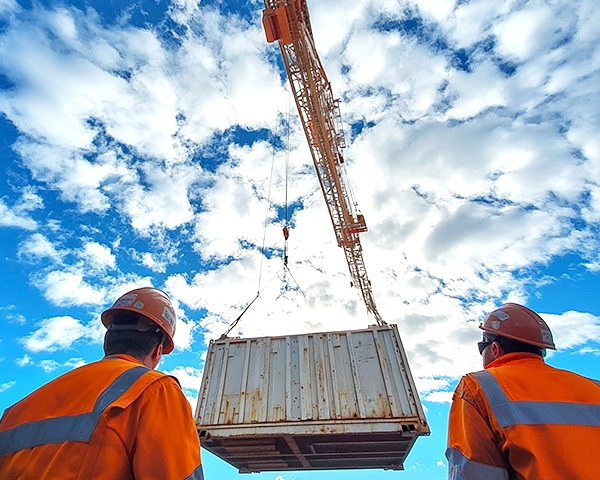
Rigging is choosing the right gear — slings, chains, hooks and shackles — and setting it up correctly to hold a load. Lifting is the activity that moves the load using cranes, hoists or other machines. Done wrong, these tasks lead to dropped materials, damaged equipment and serious injury.
NIST Global's Lifting and Rigging Safety Training is a skill-oriented programme developed in line with Indian and international standards. It integrates load weight calculation, centre of gravity, sling angles, selection and inspection of rigging gear, load securing, safe signalling, lift planning, rigging certification and hazard mitigation.
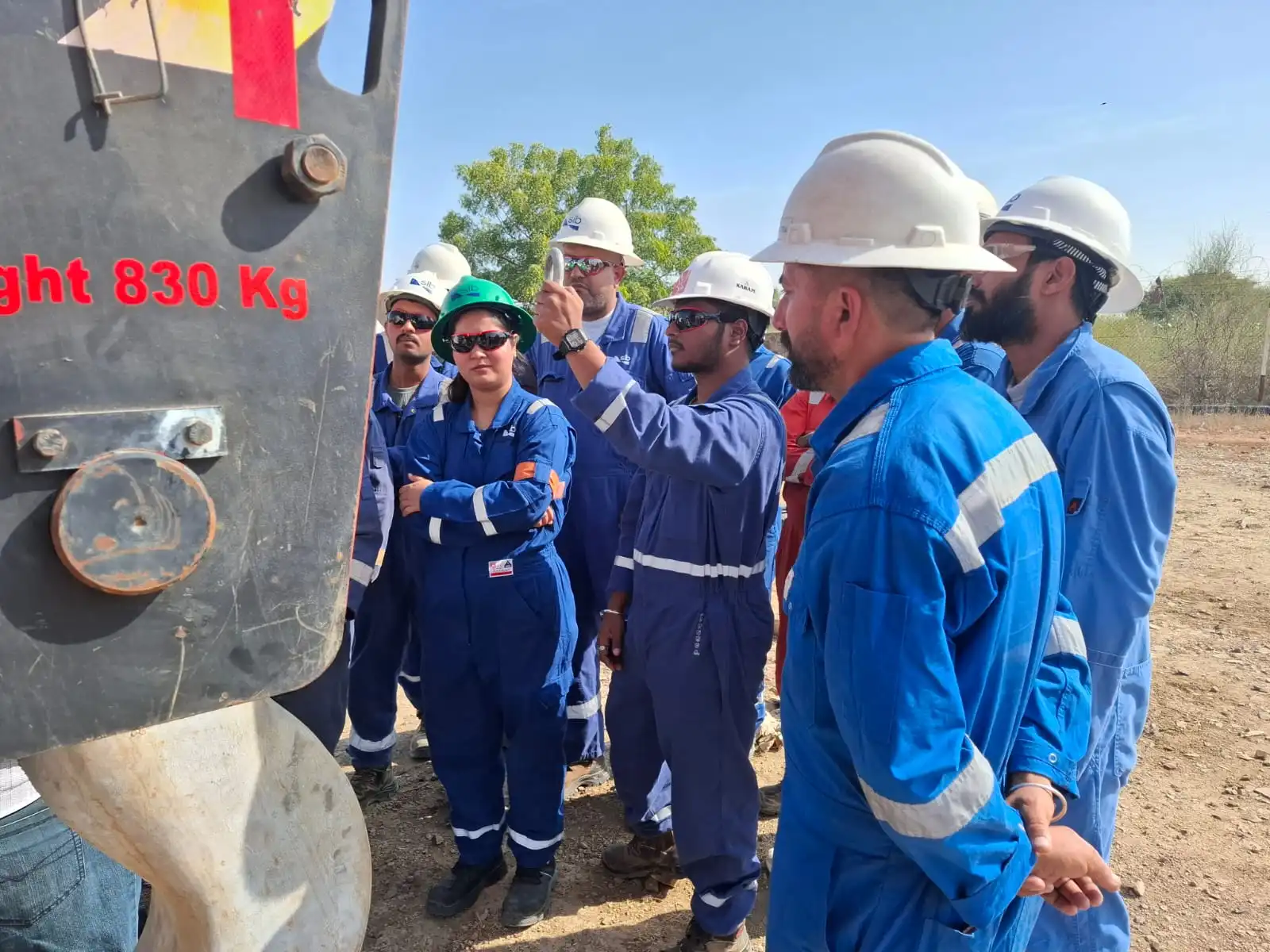
Through classroom sessions and hands-on demonstrations, it prepares riggers, crane operators, supervisors and safety professionals to lift safely, prevent equipment failure and build a proactive safety culture.
Get a Customised Programme →The Four Basic Rules of Safe Rigging
Every safe lift comes back to four fundamentals. NIST Global's training builds deep competence in each — the difference between a controlled lift and a dropped load.
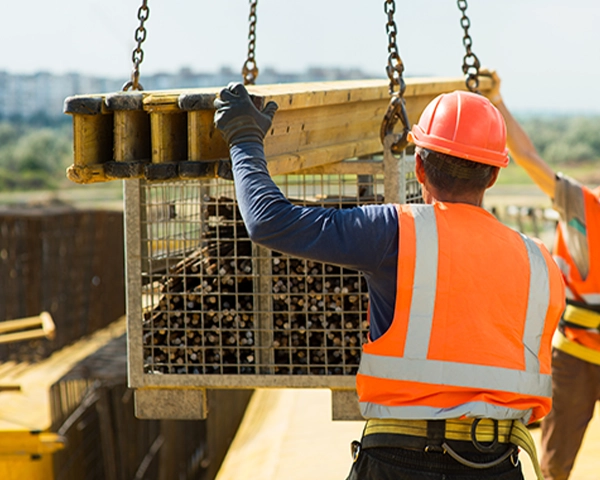
Before every lift, inspect slings, shackles, hooks and accessories for wear, damage and certification. A single defective component can fail under load — pre-use inspection is the rigger's first line of defence.
- Cuts, fraying, crushing and chemical damage on slings
- Deformed, cracked or unmarked shackles and hooks
- Valid inspection tags and working load limits
- Remove and quarantine any defective gear
Always know the weight of the load and its centre of gravity before lifting, then select gear rated for it. Guessing the weight is a leading cause of overload and tip incidents.
- Calculate or confirm the actual load weight
- Locate the centre of gravity for a balanced lift
- Choose gear within its working load limit
- Account for any attachments and rigging weight
Sling angles directly affect the tension in each leg — as the angle to horizontal decreases, the load on each sling rises sharply. Understanding this is essential to staying within safe limits.
- Shallower angles = much higher sling tension
- Keep included angles as wide as practical
- Use the angle factor when checking capacity
- Protect slings at sharp load edges
Lifts depend on clear, agreed communication between rigger, signaller and crane operator. Standard hand signals — and a single appointed signaller — prevent the mistimed moves that cause incidents.
- Use standard, agreed hand signals
- One appointed signaller per lift
- Confirm communication before the load moves
- Stop signal can be given by anyone
What Your Team Will Be Able to Do After This Training
Practical, safety-critical competencies — participants leave ready to plan and execute lifts with confidence and control.
Lifting & Rigging Fundamentals
Understand the principles behind safe lifting operations and proper rigging techniques.
Load Weight & Centre of Gravity
Determine load weight, assess balance and identify the safest lifting points.
Gear Selection & Inspection
Choose the correct slings, shackles and hooks, and inspect them before every use.
Sling Angle Awareness
Apply how sling angles affect tension and load capacity during real operations.
Signals & Lift Planning
Communicate with standard hand signals and plan and secure lifts with minimal risk.
Hazard & Emergency Readiness
Identify hazards like overloading and pinch points, and respond to lifting emergencies.
Measurable Value at Every Level of Your Organisation
Whether you lead EHS, supervise lifts, or rig and sling hands-on, this training delivers protection and ROI.
Regulatory Compliance
Assure compliance with Indian safety laws and global standards, meeting legal and audit requirements.
Minimised Equipment Damage
Correct rigging and handling reduce wear and tear, avoiding expensive repairs and replacements.
Enhanced Workplace Safety
Reduce accidents, injuries and near-misses during lifting tasks by promoting safe practices.
Stronger Team Communication
Improve coordination between riggers, signallers and crane operators with standardised signals.
Improved Efficiency
Trained teams lift more precisely and confidently, cutting delays and downtime.
Better Lift Planning
Plan lifts and assess hazards methodically, reducing improvisation and risk.
Safer Day-to-Day Lifts
Recognise and mitigate hazards like overloading, pinch points and poor rigging setup.
Increased Professional Value
Build confidence and employability through recognised rigging certification.
Confidence & Competence
Make better decisions and use equipment more effectively on every lift.
Built for Everyone Involved in Lifting Operations
Ideal for professionals involved in lifting operations, load handling and workplace safety across construction, oil & gas, manufacturing, logistics and infrastructure.
How We Deliver Lifting & Rigging Training
An immersive learning approach blends theory with hands-on practice and site-based activities — so skills transfer straight to the lift.
NIST Global by the Numbers
Our Impact Speaks for Itself
Measurable outcomes across 500+ organisations — because a world-class safety culture is built on data, not assumptions.
Industries We Serve with Lifting & Rigging Training in India
Our training is fully customised to the loads, lifting equipment and site conditions of your industry.
Construction & Infrastructure
Oil, Gas & Petrochemical
Manufacturing & Heavy Engineering
Logistics & Warehousing
Ports & Shipyards
Power & Utilities
Real Experiences from Organisations We've Trained
Trusted by EHS leaders across India's most demanding construction, energy and heavy-industry operations.
Frequently Asked Questions About Lifting & Rigging Training
Everything corporate safety leaders need to know about NIST Global's Lifting & Rigging Safety Training.
Advance Your Lifting Career Pathway
For deeper expertise in lifting operations, explore these specialised NIST Global programmes.
Expert Insights on Lifting & Rigging Safety
Practical guidance from NIST Global's HSE experts — helping safety leaders run safer lifting operations across India.
Top Key Factors for Safe Rigging & Lifting
The fundamentals every rigger should master before the load leaves the ground.
Read article →Lifting & Rigging: A Comprehensive Guide
A complete walkthrough of safe lifting and rigging practice from planning to execution.
Read article →Top 3 Hazards in Manual Lifting & Handling
The most common manual lifting risks — and how to control them.
Read article →Get a Lifting & Rigging Programme Built Around Your Site
Tell us about your operations and we'll design a customised Lifting & Rigging Safety Training programme — delivered on-site at your location or virtually across India.
- ✓Client, industry and site-specific content
- ✓On-site delivery at your facility across India
- ✓Available in English, Tamil, Hindi & regional languages
- ✓Hands-on slinging, inspection & signalling practice
- ✓Aligned with Indian & international lifting standards
- ✓Rigging certification on successful assessment
Prefer to call directly?
+91 87544 65588