
Process Safety Management Training in India
Fires, explosions and toxic releases are low in frequency but devastating in consequence. NIST Global's Process Safety Management (PSM) Training builds the competence to manage hazardous processes — through hazard analysis, asset integrity, change control and emergency readiness — aligned with OSHA 1910.119 and OISD. Delivered on-site at your facility or virtually across India.
🛡️ Manage hazardous processes safely · Get expert guidance now
The Challenge
Why Process Incidents Are Low-Frequency but Catastrophic
A facility can run safely for years and still suffer a major incident in seconds. Managing hazardous processes takes more than personal safety — it demands a disciplined process safety system.
High-consequence hazards
Flammable, toxic and reactive materials under pressure can cause fires, explosions and releases with fatalities and major losses.
Personal safety isn't enough
Low incident rates can mask weak process safety — managing major-accident hazards needs a different, system-level discipline.
Unmanaged change & ageing assets
Uncontrolled changes and degrading safety-critical equipment quietly erode barriers until they fail under demand.
Strict regulatory exposure
OSHA 1910.119, OISD and Indian statutory rules demand demonstrable PSM — gaps bring penalties and liability.
Build & Sustain a Robust Process Safety Management System
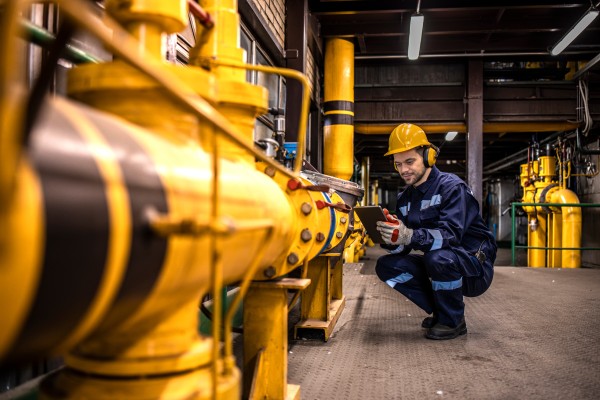
Process Safety Management (PSM) is a specialised programme designed to build the knowledge and capability required to manage hazardous processes in high-risk industries. It introduces the foundations of PSM — the critical role of process safety leadership, organisational learning, and incident investigation to prevent recurrence.
The course covers the management of process risks through a robust Process Safety Management System (PSMS) and its key elements: process hazard analysis (PHA), mechanical and asset integrity, safety-critical equipment, and Management of Change (MOC) to ensure safe transitions in processes.
It also explains the significance of maintaining a safe operating envelope, the purpose and types of Standard Operating Procedures (SOPs), and the development of an effective Emergency Response Plan (ERP) — aligned with OSHA 29 CFR 1910.119 and OISD guidelines.
Get a Customised Programme →The Core PSM System Elements
A Process Safety Management System works as a set of interlocking elements. NIST Global's training builds competence across each one — so barriers stay strong from design through operation.
PHA systematically identifies the hazards of a process and evaluates how failures could lead to a major incident — the analytical foundation on which every other PSM element depends.
- Identifying process hazards and scenarios
- Techniques such as HAZOP and What-If
- Evaluating consequences and safeguards
- Prioritising risk-reduction actions
- Linking findings to design and operation
Safety-critical equipment must perform on demand. This element ensures asset integrity through performance standards, inspection, testing and maintenance — keeping barriers reliable over the asset's life.
- Identifying safety-critical equipment
- Performance standards for barriers
- Inspection, testing & preventive maintenance
- Managing ageing and degradation
- Reliability of protective systems
Most process incidents trace back to poorly managed change. MOC provides the architecture to assess and control changes to process, plant, people and procedures before they are implemented.
- MOC architecture and workflow
- Assessing risk of technical & organisational change
- Temporary vs permanent change
- Authorisation and documentation
- Updating records and re-training
Operating within defined safe limits is essential. This element covers the safe operating envelope and the purpose and types of Standard Operating Procedures that keep operations inside those limits.
- Defining the safe operating envelope
- Safe operating limits and consequences of deviation
- Purpose and types of SOPs
- Startup, shutdown & normal operation
- Operating discipline and adherence
When barriers fail, response limits the harm. This element covers the purpose and development of an effective Emergency Response Plan to protect people, assets and the environment.
- Purpose and scope of the ERP
- Emergency scenarios and escalation
- Roles, responsibilities and command
- Drills, readiness and review
- Protecting people, assets & environment
What Your Team Will Be Able to Do After This Training
Practical, on-the-job competencies — not just theory. Participants leave able to contribute to a comprehensive, audit-ready PSM system.
Identify Process Hazards
Proactively spot process risks such as chemical leaks, equipment failure and ignition sources.
Apply PHA Techniques
Use process hazard analysis to evaluate scenarios, safeguards and risk-reduction priorities.
Manage Change & Integrity
Apply MOC and maintain mechanical integrity of safety-critical equipment to keep barriers strong.
Keep Within Safe Limits
Maintain the safe operating envelope through robust SOPs and operating discipline.
Plan Emergency Response
Contribute to effective ERPs that protect people, assets and the environment.
Meet PSM Standards
Align with OSHA 1910.119, OISD and audit expectations through standardised practices.
Measurable Value at Every Level of Your Organisation
Whether you lead EHS, run operations, or maintain critical assets, PSM training protects people, assets and continuity.
Prevent Catastrophic Incidents
Recognise and control hazards to prevent high-impact events such as fires, explosions and toxic releases.
Legal & Regulatory Compliance
Align with OSHA 29 CFR 1910.119, OISD and Indian statutory requirements — reducing liability and penalties.
Cost Savings from Prevention
Preventive training is far cheaper than the losses, investigations and insurance hikes that follow a major incident.
Operational Reliability
Better maintenance of safety-critical equipment and safe operating limits mean less unplanned downtime.
Safe Start-up & Shutdown
Stronger cross-functional collaboration supports safe start-up, shutdown and routine maintenance.
Audit & Inspection Readiness
Standardised practices keep the facility ready for regulatory and client audits.
Sharper Hazard Recognition
Identify chemical, equipment and ignition hazards before they escalate.
System-Level Awareness
Understand how operations, controls and safety systems interconnect within high-risk processes.
Safety Ownership
Share responsibility across operators, engineers and maintenance to keep conditions safe.
Built for Professionals Managing Hazardous Processes
PSM Training suits a wide range of professionals across process and manufacturing operations.
How We Deliver PSM Training
Every session blends experiential methods — so participants can apply and retain learning from day one on the job.
NIST Global by the Numbers
Our Impact Speaks for Itself
Measurable outcomes across 500+ organisations — because a world-class safety culture is built on data, not assumptions.
Industries We Serve with PSM Training in India
PSM is essential wherever hazardous chemicals and energy are processed — our training is customised to your processes and sites.
Oil, Gas & Petrochemical
Chemical & Refining
Pharmaceuticals & Fine Chemicals
Fertilisers & Agrochemicals
Power & Energy
Process Manufacturing
Real Experiences from Organisations We've Trained
Trusted by EHS and process safety leaders across India's most demanding industries.


Frequently Asked Questions About PSM Training
Everything process and EHS leaders need to know about NIST Global's Process Safety Management programme.
Deepen Your Process Safety Capability Further
For deeper expertise, explore these complementary NIST Global programmes.
Expert Insights on Process Safety Management
Practical guidance from NIST Global's HSE experts — helping process industries prevent major incidents across India.
Process Safety vs Occupational Safety: Why Both Matter
Why a low injury rate doesn't mean your major-accident hazards are under control.
Read article →The Key Elements of a PSM System
From PHA to emergency response — how the pieces fit together.
Read article →Why Management of Change Prevents Major Incidents
How disciplined MOC stops small changes from becoming big losses.
Read article →Get a PSM Programme Built Around Your Process
Tell us about your operations and we'll design a customised Process Safety Management programme — delivered on-site at your location or virtually across India.
- ✓Client, industry and site-specific content
- ✓On-site delivery at your facility across India
- ✓Available in English, Tamil, Hindi & regional languages
- ✓PHA, MOC, integrity & emergency response focus
- ✓Aligned with OSHA 1910.119 & OISD guidelines
- ✓Certification on successful assessment
Prefer to call directly?
+91 87544 65588