
Permit to Work Training in India
Hot work, confined space entry, electrical isolation and work at height are where the most serious incidents happen. NIST Global's Permit to Work (PTW) Training equips your team to issue, receive, monitor and close permits correctly — so every high-risk job is authorised, controlled and documented. Delivered on-site at your facility or virtually across India.
🛡️ No high-risk job without control · Get expert guidance now
The Challenge
Why High-Risk Work Goes Wrong Without Control
A permit is only as good as the people running it. When roles are unclear, hazards are missed or permits aren't closed properly, the most dangerous jobs become the most likely to cause harm.
Inherently dangerous tasks
Hot work, confined space, electrical isolation and work at height carry severe, life-threatening risks that demand formal control.
Unclear roles
When issuers and receivers don't fully understand their duties, authorisation breaks down and unsafe work proceeds.
Common permit failures
Conflicting permits, poor handovers and permits left open are recurring causes of serious incidents.
Compliance & audit gaps
ISO 45001, OSHA and the Factories Act expect controlled, documented high-risk work — weak PTW records invite penalties.
Authorise, Control & Document Every High-Risk Job
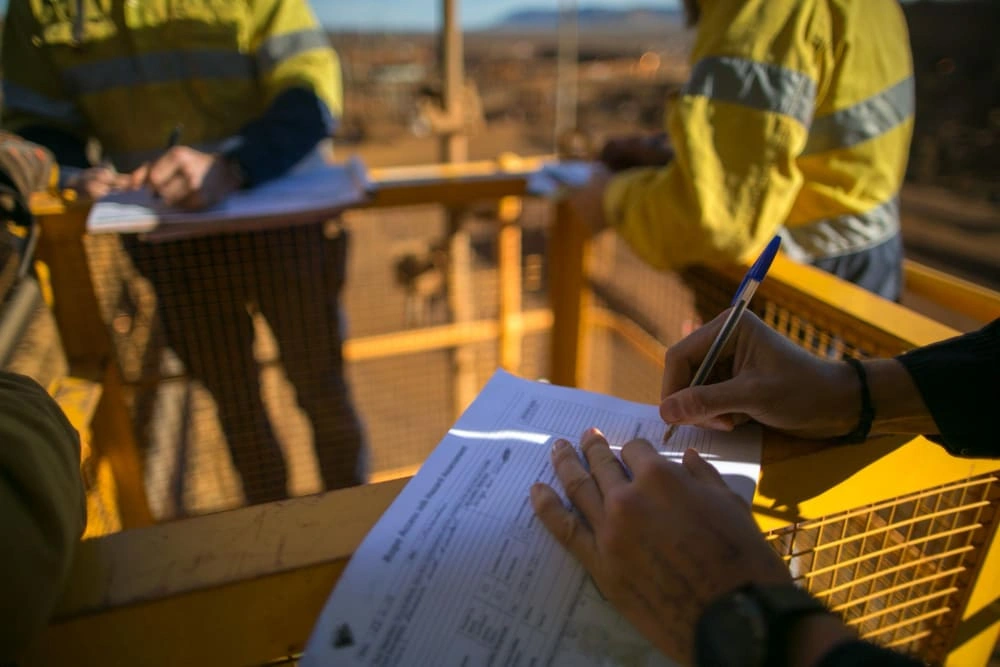
The Permit to Work (PTW) system is a systematic written procedure used to control high-risk work and ensure it is carried out safely. Common in construction, manufacturing, oil & gas and utilities, it defines job hazards, required precautions and responsibilities before work begins.
This training gives participants a comprehensive understanding of the PTW process — types of permits, roles and responsibilities of issuers and receivers, hazard identification, and the step-by-step procedure for issuing, receiving, monitoring and closing permits — with particular focus on hot work, confined space entry, electrical isolation, work at height and excavation.
Through real-world case studies, compliance requirements and best practices, participants learn to avoid common permit failures and implement an effective PTW system that strengthens workplace safety and operational control.
Get a Customised Programme →The Permit Lifecycle — From Request to Closure
A safe permit isn't a single form — it's a controlled lifecycle. NIST Global's training builds competence at every stage, with clear roles for issuers and receivers throughout.
The permit starts with a clear scope of work and a hazard assessment. The right permit type is selected and the controls needed are defined before anyone seeks approval.
- Define the task and location precisely
- Identify job-specific hazards (HIRA)
- Select the correct permit type
- Specify required precautions and controls
- Check for conflicting simultaneous work
The permit issuer verifies that hazards are controlled and conditions are safe, then formally authorises the work — taking responsibility for the controls specified on the permit.
- Verify controls are in place
- Confirm isolations and safe conditions
- Issuer responsibilities and authority
- Set validity period and limits
- Sign-off and authorisation
The permit receiver accepts the permit, confirms they understand the hazards and controls, and briefs the work team before any work begins.
- Receiver accepts and understands the permit
- Confirm controls and PPE with the team
- Toolbox talk and task briefing
- Clarify scope and boundaries
- Two-way communication with the issuer
During the work, conditions are monitored and controls maintained. If anything changes — scope, team or conditions — the permit is suspended, revalidated or extended as needed.
- Ongoing supervision and checks
- Maintain isolations and controls
- Suspend / extend / revalidate as needed
- Manage changes and shift handovers
- Stop work if conditions become unsafe
When work is complete, the area is made safe, isolations are removed in a controlled way and the permit is formally closed and handed back — leaving an audit-ready record.
- Confirm work complete and area safe
- Controlled removal of isolations
- Formal permit closure and sign-off
- Hand back the workplace
- Retain records for audit
What Your Team Will Be Able to Do After This Training
Practical, on-the-job competencies — not just theory. Participants leave able to run an effective PTW system with confidence.
Master the PTW System
Understand the purpose, structure and categories of permits and how they control high-risk work.
Identify Hazards & Controls
Recognise job-specific hazards, assess risk and apply the right controls before permit approval.
Fulfil Issuer & Receiver Roles
Carry out the distinct duties of permit issuers and receivers with clarity and accountability.
Run the Full Permit Lifecycle
Initiate, issue, receive, extend, suspend and close permits with proper authorisation.
Meet Legal Requirements
Apply PTW frameworks aligned with ISO 45001, OSHA standards and the Factories Act.
Communicate & Document
Coordinate across teams and keep audit-ready records for safe, compliant execution.
Measurable Value at Every Level of Your Organisation
Whether you lead EHS, supervise a site, or hold a permit, this training makes high-risk work safer, compliant and audit-ready.
Compliance & Audit Readiness
Align high-risk work with ISO 45001, OSHA and the Factories Act, with permit records that satisfy internal and external audits.
Fewer Incidents & Penalties
Formal control of hazardous tasks reduces accidents, downtime, penalties and reputational damage.
Leadership Commitment
Demonstrates dedication to proactive safety management and continuous improvement.
Clear Roles & Accountability
Defines the duties of issuers, receivers and approving authorities for better control on site.
Fewer Permit Failures
Avoid conflicting permits, poor handovers and open permits that cause serious incidents.
Better Coordination
Stronger communication between workers, supervisors, safety officers and issuers for seamless execution.
Confidence on High-Risk Jobs
Perform hazardous tasks safely and confidently, in full compliance with the permit conditions.
Stronger Hazard Awareness
Recognise job-specific hazards and follow procedures that prevent injuries and near-misses.
Ownership & Accountability
Take real ownership of permit conditions, recordkeeping and safe job handovers.
Built for Everyone Who Plans, Authorises or Executes High-Risk Work
Permit to Work Training is ideal for anyone involved in high-risk activities where permit systems are required.
How We Deliver Permit to Work Training
Every session blends experiential methods — including site-based practical activities — so participants can apply and retain learning from day one on the job.
NIST Global by the Numbers
Our Impact Speaks for Itself
Measurable outcomes across 500+ organisations — because a world-class safety culture is built on data, not assumptions.
Industries We Serve with Permit to Work Training in India
Our training is fully customised to the permit types, high-risk activities and regulations specific to your industry and sites.
Construction & Infrastructure
Manufacturing & Heavy Industry
Oil, Gas & Petrochemical
Power & Utilities
Chemical & Process
Facilities & Maintenance
Real Experiences from Organisations We've Trained
Trusted by EHS leaders across India's most demanding and high-risk industries.


Frequently Asked Questions About Permit to Work Training
Everything corporate safety leaders need to know about NIST Global's Permit to Work programme.
Strengthen Your Safety Management Capability Further
For deeper expertise, explore these complementary NIST Global programmes.
Expert Insights on Permit to Work Systems
Practical guidance from NIST Global's HSE experts — helping teams control high-risk work across India.
Auditing Your Permit to Work System
How to assess and strengthen the PTW system that protects your high-risk work.
Learn more →Common Permit to Work Failures — and How to Avoid Them
The recurring mistakes that lead to incidents, and the controls that prevent them.
Read article →Moving to App-Based Permit to Work
Why digital PTW reduces errors and keeps your high-risk work audit-ready.
Read article →Get a Permit to Work Programme Built Around Your Site
Tell us about your high-risk activities and we'll design a customised Permit to Work programme — delivered on-site at your location or virtually across India.
- ✓Client, industry and site-specific content
- ✓On-site delivery at your facility across India
- ✓Available in English, Tamil, Hindi & regional languages
- ✓Site-based practical permit activities
- ✓Aligned with ISO 45001, OSHA & Factories Act
- ✓Certification on successful assessment
Prefer to call directly?
+91 87544 65588