
Lifting Plan Preparation & Approver Safety Training
Safe lifts are engineered before the crane arrives. NIST Global's Lifting Plan Preparation & Approver Training builds the technical competence to design, assess and authorise lift plans — load parameters, crane positioning, load paths, exclusion zones and documentation — aligned with BS 7121, IS 3764 and ASME B30. Delivered on-site or virtually across India.
🛡️ Don't wait for an incident · Get expert guidance now
The Challenge
Why Most Lifting Failures Start on the Planning Table
The riskiest decisions in a lift are made long before it happens — in equipment selection, load-path design and approval. A weak or unapproved plan is a failure waiting to happen.
Unapproved lift plans
Lifts that proceed without a properly reviewed and authorised plan bypass the controls that prevent failure.
Wrong equipment choice
Mis-selected cranes, configurations or rigging set the lift up to exceed capacity before it even begins.
Standards non-compliance
BS 7121, IS 3764 and ASME B30 expect engineered, documented plans — gaps mean audit failures and liability.
Costly failures
Poorly planned lifts cause fatalities, equipment loss, expensive claims and major project delays.
Engineer Safe Lifts Before They Reach Site
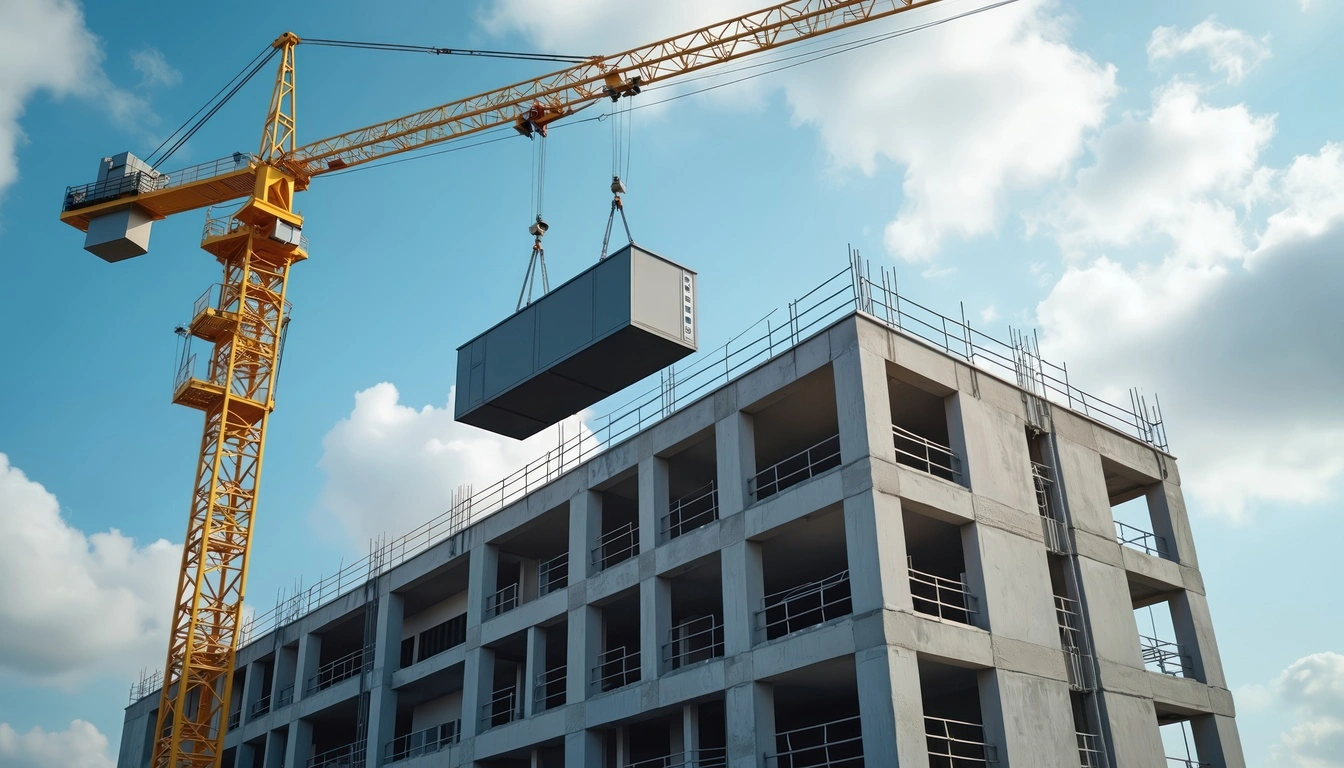
The Lifting Plan Preparation and Approval course is a technical, documentation-focused programme that builds the competencies to design, assess and authorise safe lifting operations across varied industrial settings — centred on the critical planning phase.
Participants gain practical skills to evaluate load parameters, select suitable lifting equipment, determine safe crane positioning, define load paths and exclusion zones, and build risk controls into detailed lift plans. Through real-world case scenarios, they learn to generate the required documentation — rigging schematics, lifting permits and risk assessments.
It emphasises not just plan creation but the structured review and approval process using standardised checklists and safety criteria for routine and non-routine lifts, with insight into BS 7121, IS 3764 and the ASME B30 series.
Get a Customised Programme →How a Lift Plan Is Built & Approved
A sound lift plan is built in clear, auditable steps. NIST Global's training takes participants through each — from load assessment to final authorisation.
Every plan starts with the load — its weight, dimensions, centre of gravity and lifting points. Accurate load data is the foundation every later decision depends on.
- Verified load weight and dimensions
- Centre of gravity and lifting points
- Routine vs critical / non-routine lift
- Environmental factors such as wind
With the load known, the planner selects a suitable crane, configuration and rigging gear — checking capacity against the load chart at the required radius, with margin for safety.
- Crane type, configuration and counterweight
- Capacity verified on the load chart at radius
- Slings, shackles and lifting accessories
- De-rating factors applied where needed
The planner fixes crane positioning, ground bearing and the load travel path — defining exclusion zones and checking for obstructions, services and overhead hazards along the route.
- Crane standing position and ground bearing
- Load travel path and pick/set-down points
- Exclusion zones and barriers
- Overhead lines, structures and services
Risk control measures are built into the plan and captured in the required documentation — rigging schematics, lifting permits and risk assessments — using standardised templates.
- Risk assessment and control measures
- Rigging schematic / method statement
- Lifting permit and checklist
- Roles, responsibilities and sign-offs
The approver reviews the plan against standardised checklists and safety criteria, confirms compliance with BS 7121, IS 3764 and ASME B30, and authorises the lift — or returns it for revision.
- Plan checked against standardised criteria
- Compliance with BS 7121, IS 3764, ASME B30
- Competent, documented authorisation
- Controlled changes for non-routine lifts
What Your Team Will Be Able to Do After This Training
Practical, technical competencies — participants leave able to prepare, review and approve lift plans with confidence and discipline.
Improved Technical Judgement
Correctly select cranes, rigging gear and lift paths for routine and complex lifts.
Stronger Hazard Identification
Foresee and mitigate lifting risks before they reach the worksite.
Interdisciplinary Coordination
Align planners, safety officers, riggers and operators around one clear plan.
Operational Confidence
Make sound decisions during complex and non-routine lift situations.
Planning Discipline
Apply standard procedures, checklists and documentation consistently.
Readiness for Critical Lifts
Approach critical lifts confidently through real case studies and mock plan approvals.
Measurable Value at Every Level of Your Organisation
Whether you lead EHS, engineer the lift, or approve plans, this training delivers protection and ROI.
Regulatory Compliance
Assure compliance with IS, BS and ASME standards — essential during safety audits and client reviews.
Improved Safety Performance
Reduce accidents through systematic risk assessment and accurate lift planning.
Protected Investment
Prevent costly claims, equipment loss and productivity disruption — a cost-effective safety investment.
Operational Efficiency
Minimise crane idle time, equipment misuse and project delays through well-structured plans.
Increased Competency
Sharpen technical judgement and planning skills across engineering, safety and operations teams.
Error-Free Documentation
Produce clear, complete rigging plans, permits and checklists every time.
Confident Approval
Review and authorise plans against clear, standardised safety criteria.
Reduced Downtime
Well-approved lifts cut rework, crane stand-by and unplanned stoppages.
Culture of Safety
Demonstrate a strong safety culture, boosting confidence among clients, partners and regulators.
Built for Those Who Plan, Review & Authorise Lifts
Suitable for professionals involved in planning, reviewing or authorising lifting operations across industrial, construction and infrastructure sectors.
How We Deliver This Training
A mix of instructor-led teaching, collaborative learning and real case scenarios — so planning and approval skills transfer straight to live projects.
NIST Global by the Numbers
Our Impact Speaks for Itself
Measurable outcomes across 500+ organisations — because a world-class safety culture is built on data, not assumptions.
Industries We Serve with Lift Plan Training in India
Our training is fully customised to the cranes, load profiles and project conditions of your industry.
Construction & Infrastructure
Oil, Gas & Petrochemical
Heavy Engineering & Fabrication
Power & Renewables
Ports, Shipping & Offshore
EPC & Project Management
Real Experiences from Organisations We've Trained
Trusted by EHS and engineering leaders across India's most demanding construction, energy and heavy-industry projects.


Frequently Asked Questions About Lift Plan Training
Everything corporate safety and engineering leaders need to know about NIST Global's Lifting Plan Preparation & Approver Training.
Advance Your Lifting Career Pathway
For deeper expertise in lifting operations, explore these specialised NIST Global programmes.
Expert Insights on Lift Planning & Safety
Practical guidance from NIST Global's HSE experts — helping planners and approvers engineer safer lifts across India.
Top Key Factors for Safe Rigging & Lifting
The fundamentals every lift plan must get right before the load leaves the ground.
Read article →Lifting & Rigging: A Comprehensive Guide
A complete walkthrough of safe lifting and rigging practice from planning to execution.
Read article →Lifting & Rigging Safety — Everything You Should Know
The essentials of safe lifting that every plan and approval should reflect.
Read article →Get a Lift Plan Training Programme Built Around Your Projects
Tell us about your operations and we'll design a customised Lifting Plan Preparation & Approver Training programme — delivered on-site at your location or virtually across India.
- ✓Client, industry and project-specific content
- ✓On-site delivery at your facility across India
- ✓Available in English, Tamil, Hindi & regional languages
- ✓Real case scenarios, templates & mock approvals
- ✓Aligned with BS 7121, IS 3764, LOLER & ASME B30
- ✓Certificate on successful assessment
Prefer to call directly?
+91 87544 65588