

Defensive Driving Training for 4-Wheeler Drivers
Empower Your Drivers. Protect Your Workforce. Strengthen Fleet Safety.
NIST Global's Defensive Driving Training for 4-Wheeler Drivers is designed to help organizations improve driver competency through practical defensive driving techniques, hazard recognition, and responsible driving behavior. Combining instructor-led learning with practical exercises, the program equips employees with the skills required to reduce preventable road incidents while supporting safer fleet operations.
Get a Training Programme Tailored to Your Fleet & Business Needs
Who Should Attend Defensive Driving Training for 4-Wheeler Drivers?
Defensive Driving Training is recommended for employees who regularly operate four-wheel vehicles as part of their professional responsibilities. Whether managing a fleet of vehicles or supporting field operations, organisations can improve road safety by equipping drivers with practical defensive driving skills.
Fleet & Transport Teams
Employees responsible for transporting personnel, materials, or equipment using company-owned or leased vehicles.
- Fleet Drivers
- Company Drivers
- Pool Vehicle Drivers
- Transport Coordinators
- Logistics Personnel
Manufacturing & Industrial Operations
Employees who frequently travel within industrial premises or between manufacturing locations.
- Plant Drivers
- Utility Vehicle Operators
- Maintenance Teams
- Production Supervisors
- Site Coordinators
Construction & Infrastructure Projects
Personnel involved in project execution who travel between project sites or operate vehicles within construction environments.
- Site Drivers
- Project Engineers
- Construction Supervisors
- Infrastructure Maintenance Teams
Sales & Field Service Teams
Employees who spend significant time travelling to customer locations or project sites.
- Sales Executives
- Service Engineers
- Installation Teams
- Technical Support Personnel
- Field Inspectors
Oil, Gas, Mining & Energy
Drivers operating in challenging environments where road conditions and travel risks require greater awareness and preparation.
- Field Drivers
- Inspection Teams
- Maintenance Personnel
- Emergency Response Teams
Government & Public Sector Organisations
Departments responsible for official transportation, inspections, utilities, and public services.
- Government Drivers
- Utility Vehicle Operators
- Municipal Transport Teams
- Public Service Departments
Why Corporate Drivers Need Defensive Driving Training?
Employees who drive company vehicles come across numerous road risks that impact safety, fleet performance, and business continuity. Defensive Driving Training helps all the drivers with the skills to anticipate hazards and make safer driving decisions while driving.
Driver Behavior & Human Error
Distractions, Fatigue, Speeding, and poor analytic judgements are the major factors among the leading causes of preventable road incidents. This training motivates safer driving habits and smarter decision- making.
Hazard Recognition
From traffic and blind spots, interactions, and unpredictable road users demand constant awareness. Drivers learn to stop the possible hazards early and respond safely
Road & Environmental Conditions
Uneven roads, rain, poor visibility, and heavy traffic increase the driving risks. This program helps the drivers to adapt and prepare them to the changing conditions with confidence.
Fleet Safety & Business Protection
Safer drivers help to reduce incidents, better protection for employees and vehicles, minimize downtime, and strengthens the overall fleet safety performance.
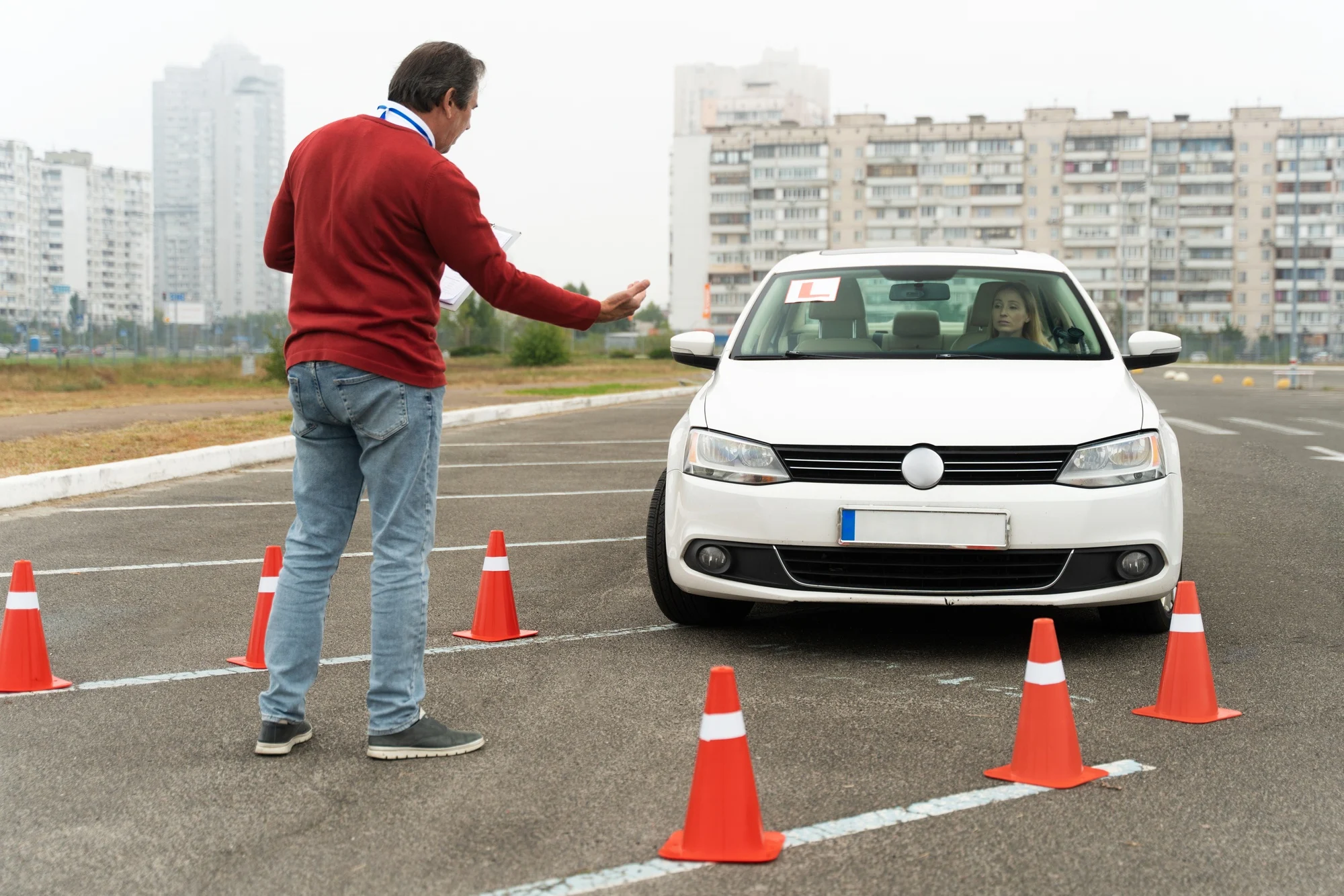
Defensive Driving Training for 4-Wheeler Corporate Drivers
Employees who drive vehicles on a daily basis face challenges such as traffic fatigue, congestion, distractions, changing road conditions, and environmental hazards that could result in preventable incidents. NIST Global's Defensive Driving training for 4 - wheeler drivers helps the organizations to develop driver's awareness, strengthen fleet safety and enhance the responsible driving practices.
Through instructor- led learning and practical driving experience, participants gain the skills to identify hazards, make safer decisions while driving, and minimize road -related risks. This program is suitable for the organizations, logistics, manufacturing, constructions, oil& gas, infrastructure, and other industries where most of the employees regularly operate four- wheeler vehicles.
Defensive Driving Training — What This Programme Covers
This program includes both classroom learning and practical knowledge to enhance defensive driving skills and build safer driving behavior across corporate fleets. Rather then only focusing only on how to operate vehicle, participant develop the ability to anticipate hazards, assess risks, and make safer decisions in various road environments.
Defensive Driving Fundamentals
Learn the major principles of defensive driving, driver's responsibilities, and discover the why a proactive approach is important for road safety.
Safe Driving Practices
Learn the practical techniques that help to develop the vehicle control, maintain safe following distances, minimize common driving errors, and manage the speed effectively.
Driver Behaviour & Human Factors
Know about how fatigue, stress, emotions, distractions, and unsafe driving habits can affect decision-making skills and increase the risk of road incidents.
Hazard Recognition & Risk Assessment
Develop the skills and ability to identify hazards, changing road conditions, traffic patterns, unsafe behaviors, and environmental hazards before they become possible risks.
Vehicle Safety & Pre-Trip Inspection
Learn the importance of routine vehicle inspections and how to identify mechanical issues that could affect safe vehicle operation.
Emergency Response Awareness
Gain practical awareness on how to respond safely to unexpected situations such as sudden obstacles, adverse weather, vehicle defect, and emergency conditions.
Sharing the Road Safely
Recognize how to safely interact with pedestrians, motorcyclists, cyclists, heavy vehicles, and other vulnerable road users.
Practical Driving Exercises
Apply defensive driving techniques into practice through instructor-guided driving exercises that reinforce classroom learning and build confidence behind the wheel.
SIPDE — The Defensive Driver's Decision-Making System
Safe driving begins with the recognition of possible risks before they turn into incidents. During the program, participants are introduced to the SIPDE process; a structurally practical decision making method that motivates the drivers to observer surroundings, anticipate hazards, and respond safely to changing road conditions.
Understanding the Four Types of Driving Hazards
Being able to recognize the hazards is one of the most important skills of a defensive driver. Throughout this entire program, participants will learn to identify the common hazards before and during the journey, enabling them to respond proactively instead of reacting after an incident has already developed.
Traffic congestion, construction zones, intersections, uneven road surfaces, poor lane discipline, and sharp bends can all develop the risk of driving. Participants learn techniques to recognize these hazards early, anticipate potential dangers, and navigate them safely using defensive driving techniques.
Mechanical issues such as worn tyres, brake defects, faulty lights, or steering problems can compromise the safety of the vehicle while driving. Drivers are introduced to the importance of routine vehicle inspections and how to recognize the early warning signs before they become seriours safety risks.
Rain, fog, poor visibility, slippery roads, low- light conditions, and changing of weather conditions need the drivers to adapt their speed, maintain safe distances, and adjust their deriving techniques to stay safe in different roads and weather conditions.
Inappropriate behavior by the driver, pedestrians, cyclists, or other individuals on the road is one of the most common causes of road accidents. Participants will learn how to spot dangerous behaviors like distraction, speeding, drowsiness, aggression, and dangerous maneuvers.
Pre-Trip Vehicle Inspection - Building Safer Driving Habits Before Every Journey
A systematic pre-trip vehicle inspection helps drivers identify potential issues before every journey, improving safety, reducing the risk of breakdowns, and supporting responsible driving practices. The participants acquire some inspection skills that help enhance the efficiency of their fleet operation.
Tyres
- Check tyre condition, tread depth, and air pressure.
- Look for cuts, bulges, or visible damage.
Braking System
- Ensure brakes respond effectively.
- Observe any warning indicators or unusual sounds.
Lights & Indicators
- Verify headlights, brake lights, indicators, and hazard lights are functioning correctly.
Mirrors & Visibility
- Adjust mirrors to minimise blind spots.
- Ensure windshields and windows provide clear visibility.
Fluid Levels
- Check engine oil, coolant, brake fluid, and windshield washer fluid where applicable.
Seat Belts
- Confirm seat belts operate correctly and are free from damage.
Vehicle Surroundings
- Inspect the area around the vehicle for obstacles, pedestrians, or other hazards before moving.
Skills Participants Will Gain Through This Training
Upon successful completion of the programme, participants will be able to:
Identify Potential Hazards Earlier
Recognise changing traffic conditions, unsafe road situations, and driver-related risks before they develop into incidents.
Make Safer Driving Decisions
Apply defensive driving principles to improve judgement and reduce preventable driving errors.
Improve Vehicle Control
Use appropriate driving techniques to maintain stability, safe spacing, and better vehicle positioning.
Perform Effective Pre-Trip Inspections
Carry out routine vehicle checks to identify safety concerns before beginning each journey.
Respond More Confidently During Emergencies
Adopt safer responses when faced with unexpected road conditions or hazardous situations.
Promote Responsible Driving Behaviour
Demonstrate safer driving habits that contribute to a stronger workplace safety culture.
Our Practical Approach to Defensive Driving Training
Instructor-led theory and practical exercises help participants build safer driving behaviours and defensive driving skills.
NIST Global by the Numbers
Our Impact Speaks for Itself
Measurable outcomes across 500+ organisations — because a world-class safety culture is built on data, not assumptions.
Industries That Benefit from Defensive Driving Training
Every organisation that depends on employees travelling by road can benefit from defensive driving training. The programme is customised to reflect the driving conditions, operational risks, and vehicle usage patterns of different industries.
Manufacturing & Industrial
Logistics & Transportation
Oil, Gas & Energy
Construction & Infrastructure
Healthcare & Pharma
Mining
FMCG & Retail Distribution
Government Organisations
Build a Complete Corporate Driver Safety Programme
Defensive driving for 4-wheelers is one part of a comprehensive fleet safety programme. These complementary programmes round out the complete capability.
Questions About Defensive Driving Training for 4-Wheelers
How We Trained 4,500+ Drivers for a Leading E-Commerce Organisation
Discover how NIST Global designed and delivered a customised defensive driving programme for 4,500+ drivers across India, combining multilingual learning, practical scenarios, digital assessments, and certification to strengthen fleet safety.
- 4,500+ Drivers Trained
- Pan-India Programme Delivery
- Multilingual Learning Experience
- Scenario-Based Practical Training
- Digital Assessments & Certification
- 4.9/5 Learner Satisfaction
Build a Safer Driving Culture Across Your Organisation
Every safe journey starts with a well-trained driver. NIST Global's Defensive Driving Training for 4-Wheeler Drivers helps organisations improve driver competency, strengthen fleet safety, and reduce road-related risks through practical, instructor-led training tailored to their operational needs.