
Incident Overview
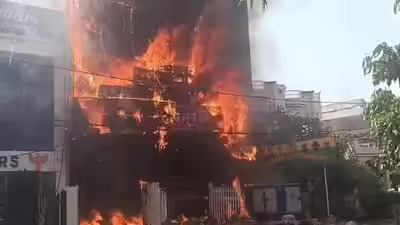
On 22 June 2026‚ a three-storey commercial building caught fire in Aliganj‚ Lucknow‚ India․ 15 people were killed‚ and several others were injured in the incident․ The building was used as an animation training center and for other businesses․ Thick smoke spread quickly through the building‚ trapping a number of its occupants‚ and hampering rescue attempts․ Firefighters also had to force their way into various rooms․
The building was also discovered to have been previously identified for unauthorized construction‚ and that on 10 May 2016‚ the Lucknow Development Authority (LDA) had also issued a demolition order in its regard․ The order was lifted on 5 July 2016 and the building allowed to remain in use‚ with inquiries later launched into regulatory failures and enforcement action taken against responsible officials․
Looking Beyond the Fire
Though the exact cause of the fire is unknown‚ the event is emblematic of the causes of catastrophic fire events․
- Using buildings for unapproved purposes․
- Lax enforcement of building regulations․
- Fire safety systems poorly implemented․
- Inadequate emergency evacuation procedures․
- Delayed identification and correction of safety violations․
Fire disasters happen only when a community’s risk reduction‚ safety systems‚ regulatory requirements‚ or emergency management preparations fail to limit the fire impact․
Key Lessons for Building Owners and Organizations
1. Regulatory Compliance Must Be Continuously Monitored
Getting approvals is not the only aspect of compliance. Periodic review of buildings will need to be carried out to confirm that the structural changes, changes of use or commercial activities currently operating in the building comply with relevant regulations.
2. Fire Risk Assessments Should Be Conducted Regularly
New fire hazards may occur as a result of occupancy changes, renovations and operations. Routine fire risk assessments can assist in identifying these risks and preventing them from becoming emergencies.
3. Safe Means of Escape Save Lives
Emergency exits, unobstructed evacuation routes, emergency lighting and clear signage are an important part of an emergency. All occupants should be able to escape rapidly and unconfused.
4. Emergency Preparedness Requires Practice
Emergency plans should not be paper documents. Regular fire drills, staff awareness sessions and emergency response training help to prepare for and minimize panic during fires.
5. Governance is an Essential Part of Fire Safety
Strong safety governance involves regular inspections, keeping records, taking corrective measures and holding those responsible to account. Good supervision can help prevent identified safety issues from being left uncorrected.
How NIST Global Supports Safer Buildings
Fire prevention involves taking a proactive safety and compliance route to prevent fire-related tragedies. NIST Global collaborates with organisations across industry to enhance fire safety and operational resilience by:
- Fire Risk Assessments
- Fire Safety Audits
- HSE Compliance Audits
- Emergency Response Planning
- Fire Safety Training
- Evacuation Drills
- Regulatory Compliance Support
- Safety Management System Implementation
These services help organizations identify hazards, improve preparedness, and maintain compliance with applicable fire and safety regulations.
Conclusion
The fire at the Lucknow building is a stark reminder that fire safety is not just a matter of reacting to a fire, but of preventing fire by good planning, regulation and ongoing risk management.
Organizations that invest in proactive safety measures today are better equipped to protect lives, safeguard assets, and ensure business continuity tomorrow.