
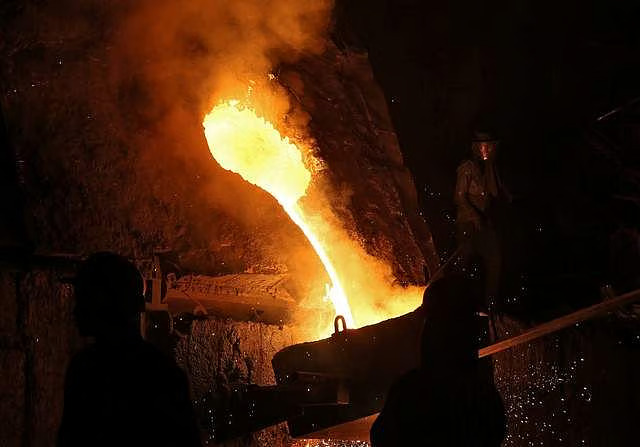
A furnace explosion at a private steel plant in Ramgarh, Jharkhand, on August 9, 2026, injured at least nine workers, highlighting once again the importance of proactive risk assessment and emergency preparedness in high-risk industrial environments.
According to reports, the incident occurred in a furnace chamber at a plant in Murpa village under the Kuju area. Workers sustained burn injuries after hot metal splashed following the explosion. Two critically injured workers were referred to a private hospital in Ranchi. The factory inspector in Hazaribag was directed to investigate the incident and submit a detailed report.
The investigation will identify the particular causes and contributing factors, but the incident does raise an interesting question for organisations with high-risk processes:
Are potential hazards being identified and controlled before an emergency occurs?
Why High-Risk Industrial Processes Require Proactive Safety Management
Heavy industries, such as steel plants, have a mixture of high temperatures, molten materials, heavy machinery, energy and complex operating conditions.
A single issue can escalate into a serious incident for employees and the system, rather quickly.
It goes beyond just following procedures to make operative safety management. Organisations should continually assess the effectiveness of the controls in the real operating environment.
1. Identify Hazards Before They Become Incidents
A robust Hazard Identification and Risk Assessment (HIRA) procedure can help organisations to identify hazards of equipment, processes, materials, maintenance and operating conditions.
There is a need to make risk assessments as not static documents in case of high-risk operations. These shall be reviewed if there are changes in the equipment, processes, materials, personnel or operating conditions.
2. Examine Process and Equipment Risks
The furnace produces a lot of thermal and mechanical hazards.
The risk level can be affected by equipment condition, inspection schedules, maintenance practices, operating parameters and safety interlocks.
Through regular inspections and programmed safety audits, deterioration, unsafe conditions or gaps in the controls, it can be detected before they become a factor in an incident.
3. Prepare Workers for Emergencies
Having an emergency response plan is only one part of preparedness.
Workers should understand:
- What to do when an abnormal condition occurs
- How to raise an alarm
- Where to evacuate
- How to access emergency equipment
- Who is responsible for coordinating the response
- How to respond to fire, explosion or molten-metal emergencies
Regular drills and practical training can help ensure that emergency procedures work in practice—not just on paper.
4. Investigate Incidents Beyond the Immediate Cause
When an industrial incident occurs, identifying what happened is only the beginning.
Effective incident investigation should examine:
Immediate cause → Contributing factors → Root causes → Corrective actions
- Was there an equipment failure?
- Was maintenance adequate?
- Were operating procedures followed?
- Were workers sufficiently trained?
- Were previous warning signs identified?
- Were existing controls effective?
Understanding these questions can help organisations prevent similar incidents from recurring.
5. Safety Audits Can Reveal Gaps Before an Emergency
Proactive safety audits provide an opportunity to examine workplace conditions systematically.
Depending on the facility and its risk profile, an audit can assess areas such as:
- Fire and life safety systems
- Emergency exits and evacuation arrangements
- Fire detection and firefighting provisions
- Electrical safety
- Hazardous areas and process risks
- Emergency preparedness
- Safety procedures and documentation
- Training and competency
- Inspection and maintenance practices
The objective isn’t simply to identify non-compliance.
It is to identify vulnerabilities before they become incidents.
From Incident Response to Incident Prevention
The Ramgarh steel plant incident is a reminder that high-risk industries require continuous attention to hazard identification, engineering controls, safe work practices, worker competency and emergency preparedness.
Organisations cannot always predict when an incident will occur. But they can strengthen the systems designed to prevent incidents and reduce their consequences.
At NIST Global, safety assessments, audits, training and consulting solutions can help organisations strengthen their Environment, Health & Safety systems and build a more proactive approach to risk management.
Because effective safety management begins long before an emergency alarm sounds.