
Introduction: Key Facts
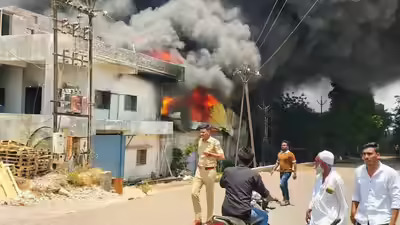
On 12th May 2026, a massive fire broke out at a textile manufacturing unit in Navapur MIDC, Maharashtra. The fire reportedly engulfed the entire factory premises, causing extensive property damage and forcing the evacuation of more than 50 workers and nearby migrant families residing within the industrial area.
According to reports, the highly flammable textile materials in the facility caused the fire to burn quickly. Heavy black smoke was visible from 2-3 kilometres away and there were several explosions within the building, making the situation a lot more dire. Initial investigations indicate a short circuit could have caused the incident.
Source: The Times of India
Incident Details
The blaze took place at a textile manufacturer working inside the Navapur MIDC industrial zone, which has over 130 textile related units. According to the reports, the fire was reported to have been caused during working hours, and has spread within minutes over the factory because of the combustible nature of the textile’s materials and the production infrastructure.
Firefighters and management made a first effort to fight the fire from inside, but quickly realized the fire would not be extinguished. Over 50 workers were safely evacuated, along with several migrant workers and their families. With the timing of the evacuation, there were no casualties, authorities said.
The situation became more critical after several explosions were reportedly heard from inside the factory. Gas cylinders and other flammable materials were removed in time, preventing a larger industrial disaster.
Firefighting operations faced major challenges initially because the Navapur Municipal Council reportedly had only one fire tender available. Additional fire support teams were later mobilized from nearby regions including Nandurbar, Songad, Sakri, Vyara, and Pimpalner to bring the fire under control. More than 30 water tankers were reportedly used during firefighting operations.
Causes and Investigation
Preliminary findings indicate that an electrical short circuit may have caused the fire. However, authorities are expected to conduct a detailed investigation into the exact root causes and evaluate whether adequate industrial fire safety measures were implemented at the facility.
The investigation is likely to examine:
- Electrical safety systems and maintenance records
- Fire detection and suppression systems
- Emergency evacuation preparedness
- Storage and handling of combustible materials
- Availability of firefighting infrastructure
- Compliance with industrial fire safety regulations
There are many fire hazards in industrial textile factories, such as the continuous operation of machinery, the load of electricity, the use of chemicals, the packaging materials, and the dense storage. Catastrophic failure can result from even minor aspects of the lack of preventive maintenance or emergency preparedness.
Impact of the Incident
No one was injured, but the fire resulted in significant operational and financial losses. The factory was said to have been completely razed to the ground and other industrial units in the vicinity suffered from secondary effects of the fire.
Such fires in industry may lead to:
- Production shutdown and disruption of operations.
- The loss of machinery, raw material and inventory
- Financial losses running into crores
- Increased regulatory scrutiny
- Reduced workforce confidence and morale
- Business continuity challenges
The incident also exposed concerns regarding fire preparedness infrastructure within industrial clusters, particularly the availability of emergency firefighting resources in high-risk manufacturing zones.
Expert Insight: Safety Perspective
Industrial safety experts say that fire safety should not be seen as a mere compliance activity but as a part of the overall business continuity plan.
Industries with flammable materials, machinery, chemicals and high workforce density should be continuously evaluating the following:
- Are employees trained to respond during emergencies?
- Is the evacuation system effective?
- Can the initial stages of a fire be controlled internally?
- Is the workforce prepared before external emergency services arrive?
Effective fire preparedness requires:
- Regular fire risk assessments
- Inspection and maintenance of electrical systems
- Functional fire detection and suppression systems
- Emergency evacuation drills and mock exercises
- Practical firefighting training for employees
- Dedicated internal emergency response teams
The first few minutes of a fire incident are often the deciding factor between controlled damage and catastrophic loss.
Prevention Measures and Conclusion
Preventing industrial fire incidents requires a proactive and structured safety management approach. Organizations should implement measures such as:
- Routine fire safety inspections and audits
- Preventive maintenance of electrical and mechanical systems
- Proper storage and segregation of combustible materials
- Installation and testing of fire alarm and suppression systems
- Firefighting and emergency response training for employees
- Mock drills and evacuation preparedness exercises
- Emergency coordination and response planning
The Navapur MIDC textile factory fire serves as a critical reminder that industrial fire preparedness cannot be delayed until after an accident occurs.
Organizations such as NIST Global support industries in strengthening workplace safety through Fire Fighting & Emergency Response Programs, industrial safety training, audits, and emergency preparedness initiatives.
Industrial fire safety is not just about regulatory compliance — it is about protecting lives, safeguarding assets, ensuring operational continuity, and preventing the next incident from becoming tomorrow’s headline.