
Introduction: Key Facts
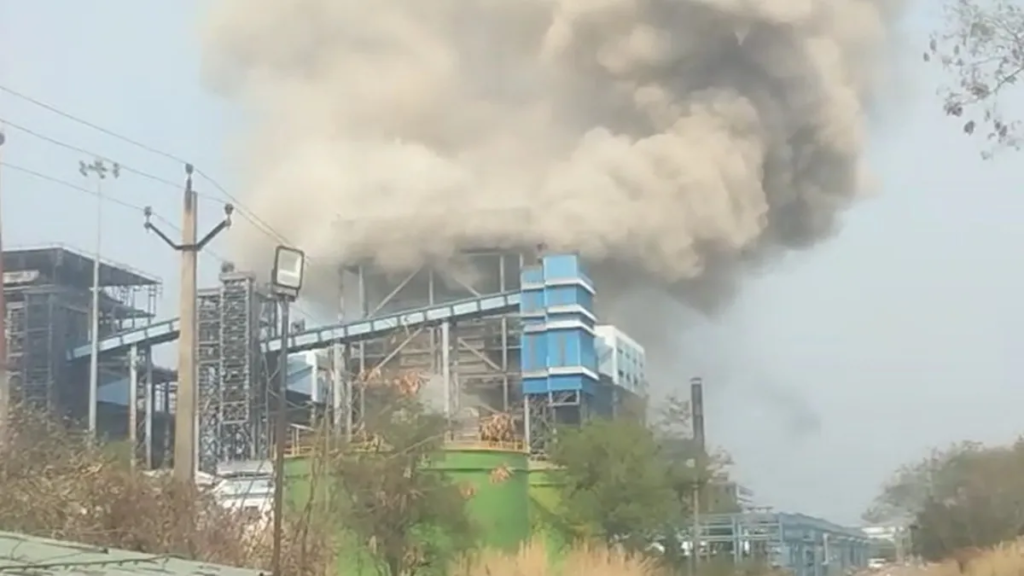
Around mid-April 2026, a catastrophic boiler explosion occurred at Vedanta Limited’s power plant at Singhitarai, Chhattisgarh. This explosion was reported to have resulted in the deaths of 11 employees and to have seriously injured over 20 others in burns.
It is reported that a high-pressure boiler system at the plant may have been the cause of the explosion and that an emergency response system was mobilized.
Incident Details
This explosion took place in a power generation unit that utilizes a high-pressure boiler system for energy generation. The detonation caused extensive damage to the nearby installations and created immense panic among employees working at the site.
Emergency rescue services immediately dispatched fire and rescue teams to the location to rescue the injured, control any subsequent damage, and prevent any secondary explosion and fire breakout.
The incident is thought to have occurred because of the high pressure and temperature associated with industrial boilers.
Causes and Investigation
Preliminary findings revealed that a problem with the boiler system likely caused the explosion. Overpressure within the system, malfunction of equipment, and poor maintenance procedures may all be contributing factors.
Authorities are conducting a full-scale investigation into the exact causes. This investigation will entail a review of:
- The state and maintenance records of the boiler system
- Compliance with legal standards.
- The procedures adopted by the workforce
- Inspection and testing certificates
Boiler systems are essential assets of industrial machinery, and neglecting them, however subtly, can prove catastrophic.
Impact of the Incident
The explosion not only caused loss of lives, but also resulted in injuries to over 20 workers. It is one of the worst industrial disasters recorded in recent times. The significant damage was sustained by the installation, which consequently affected the functioning of the power plant. Industrial disasters of this magnitude lead to:
- Reduction in output and loss of revenue
- Erosion of worker confidence in their safety at the workplace
- Heightened level of scrutiny from authorities
- Potential legal ramifications
Incidents such as this underline the dangers of high-pressure systems and reinforce the need for appropriate safety measures.
Expert Insight: Safety Perspective
Industry safety professionals insist that boilers operating in such conditions must rigidly conform to all accepted safety standards. Among some important guidelines are:
- Regular inspection of boilers and pressure systems, and carrying out maintenance proactively.
- Continuously monitoring pressure and temperature readings.
- Ensuring the use of certified safety valves and automatic control systems.
- Mandatory and certified training for operators and technicians.
Risk assessment, hazard identification, and an appropriate emergency response plan should be conducted routinely.
Prevention Measures and Conclusion
There is need for systematic and proactive safety management approaches to prevent boiler-related accidents. Organizations must take measures such as:
- Routine inspection and certification of boiler systems
- Implementation of preventive maintenance schedules
- Real-time monitoring and automated safety controls
- Comprehensive safety training for operators
- Emergency preparedness and evacuation planning
- Regular safety audits and compliance checks
The boiler explosion at the Vedanta power plant serves as a critical reminder of the importance of industrial safety. While such incidents are tragic, they reinforce the need for organisations to prioritise safety beyond mere regulatory compliance.
Organisations such as NIST Global play a vital role in strengthening workplace safety through fire and life safety audits, risk assessments, and specialised training programmes.
Industrial safety is not just a regulatory requirement; it is a responsibility to protect lives, safeguard assets, and ensure business continuity.