
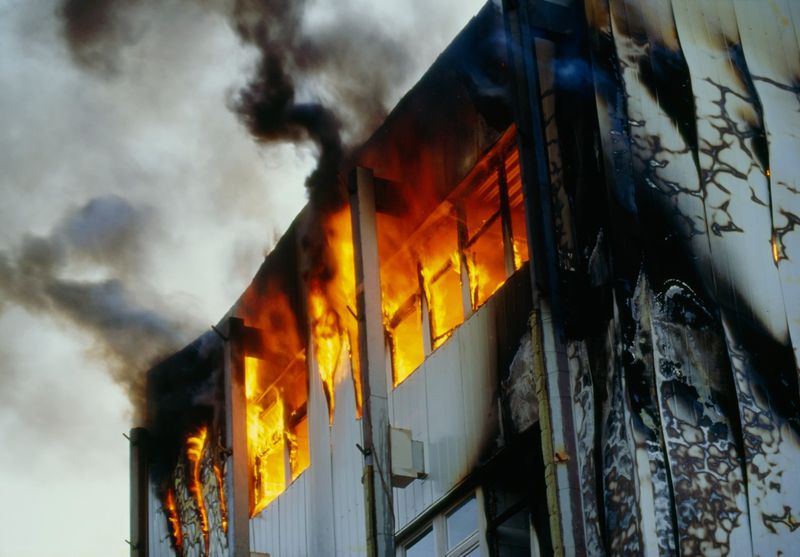
A magisterial inquiry into the fatal fire that occurred in Palam Vihar, Delhi, on March 18, 2026, has highlighted serious gaps in emergency preparedness, firefighting response, equipment competency and coordination among agencies.
The fire, which broke out in a five-storey residential-cum-commercial building, claimed the lives of nine people from the same family. The incident happened months ago, but the results of the 85-page investigation have put a spotlight on the need for good emergency response systems, and proper backups during critical incidents.
Firefighting Equipment Faced Operational Difficulties
According to the inquiry, the fire most likely originated from an electrical short circuit near the ground-floor miniature circuit breaker (MCB) unit. The fire then spread rapidly, with combustible materials stored inside the building contributing to its escalation.
During the rescue operation, the Delhi Fire Services deployed a Bronto Skylift, a truck-mounted aerial platform used for high-rise rescue operations. However, the equipment faced difficulties even before it could effectively support the rescue.
The inquiry found that numerous unauthorised overhead telecom and internet cables obstructed access to the building. Fire operators reportedly had to manually move low-lying cables and remove banners to allow the aerial platform to reach the site.
The Bronto Skylift subsequently experienced a technical problem, with the inquiry recording that trapped cables or wires may have affected the equipment’s functioning.
Absence of an Effective Backup Response
One of the most significant findings of the inquiry was the absence of an effective alternate plan or second line of defence when the primary firefighting equipment encountered difficulties.
By the time a second Bronto Skylift arrived, the opportunity to rescue the trapped occupants had been lost. The inquiry noted that all nine people had died by that stage.
The finding highlights a critical principle of emergency preparedness: having specialised equipment available is not enough. Organisations and emergency response systems must also consider what happens when critical equipment becomes unavailable during an incident.
Training and Competency Concerns
The inquiry also identified concerns regarding the training of personnel assigned to operate the Bronto Skylift.
According to the report, the operators had been assigned to the equipment for nearly two years but had not received official training to operate it. Instead, they had learned to use the equipment from senior colleagues.
The inquiry recommended specialised training for personnel operating sophisticated firefighting equipment, reinforcing the importance of competency-based training for emergency response teams.
Emergency Access Remains a Critical Safety Issue
The incident also highlighted the impact that physical obstructions can have on emergency response.
Apart from overhead cables, the inquiry pointed to encroachments and banners that narrowed the approach road and made access more difficult for emergency services.
For fire and rescue operations, emergency access should therefore be treated as an essential component of fire safety planning. Clear access routes can be critical when specialised rescue vehicles and firefighting equipment need to be deployed quickly.
Investigation and Technical Competency
The inquiry further raised concerns about technical competency within the investigation process.
It reported that the assistant electrical inspector responsible for statutory investigations had not received technical training after joining the service and had been unable to determine the cause of previous fire incidents he had investigated.
The finding underlines the importance of ensuring that personnel responsible for incident and fire investigations possess the necessary technical knowledge, investigative skills and ongoing professional training.
Key Safety Lessons for Organisations
The Palam Vihar incident offers several important lessons for organisations reviewing their own emergency preparedness arrangements:
- Emergency equipment must be maintained, tested and ready for deployment.
- Personnel must receive formal, role-specific training for specialised equipment.
- Backup arrangements should be established for critical emergency systems and equipment.
- Emergency access routes must remain clear and unobstructed.
- Fire hazards, electrical risks and combustible materials should be systematically identified and controlled.
- Emergency response procedures should be periodically tested and reviewed.
- Major incidents should lead to documented corrective actions and improvements to standard operating procedures.
- Incident investigators must have appropriate technical competency and training.
Strengthening Fire and Life Safety
The Palam Vihar inquiry demonstrates that effective fire safety involves much more than installing firefighting equipment. Preparedness depends on the interaction of people, equipment, procedures, access, competency and contingency planning.
For organisations, regular Fire & Life Safety Audits can help identify weaknesses in fire prevention and emergency preparedness before they are tested by an actual incident. Competency-based safety training and structured incident investigation can further support organisations in strengthening their emergency response capabilities and learning from previous events.
The inquiry’s recommendations reportedly include specialised training for operators of sophisticated firefighting equipment, filling vacant positions, developing standard operating procedures following major fires and reviewing the equipment failure through an expert committee.
The Palam Vihar case serves as a reminder that a safety system should not only be designed for when everything works as planned. It must also be prepared for when critical elements fail.