
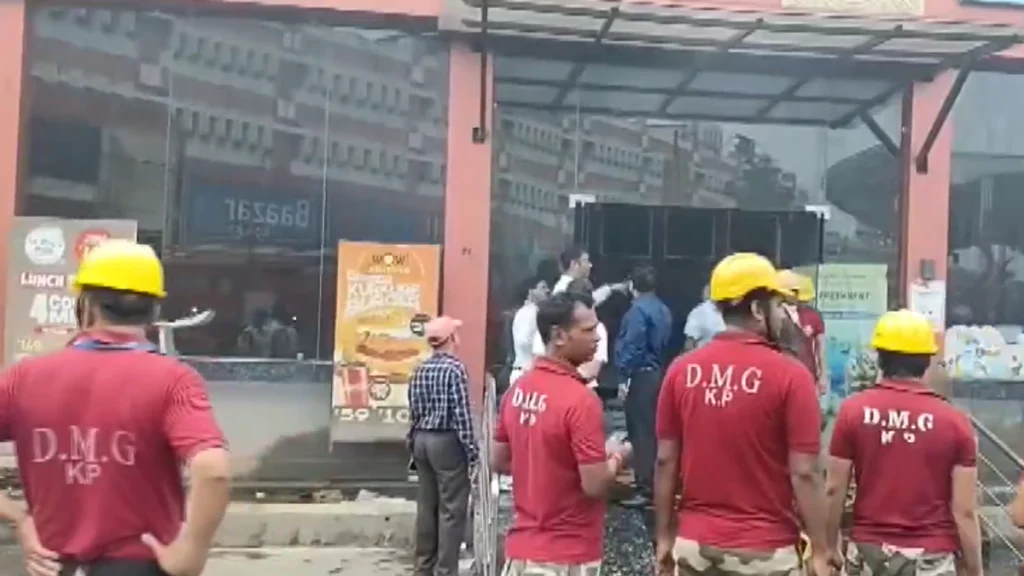
A fire broke out at a food plaza near Kolkata’s Sealdah railway station on Monday morning, August 31, triggering panic among passengers during peak hours. Fire services responded to the incident, with three fire engines deployed to bring the situation under control. Reports stated that thick smoke spread across the area, while the exact cause of the fire was still being assessed.
The incident is a reminder of the need to have effective fire prevention and emergency preparedness measures in place, especially in public areas where there are many people who can be affected by a fire at any time.
Why Fire Safety Preparedness Matters
Where there is a high risk of fire, such as railway stations, food courts, shopping centres, hospitals and commercial buildings, even relatively small fires can escalate into a major emergency.
Cooking equipment, electric systems, combustible materials and close quarters can pose fire prevention and evacuation challenges.
Keeping firefighting equipment on site is not enough to be considered an effective fire safety measure. It demands that organisations and facility operators undertake regular risk assessments to ensure emergency systems and procedures are in place and able to operate when necessary.
Key areas include:
- Identifying potential fire hazards and ignition sources
- Ensuring fire detection and alarm systems are operational
- Maintaining suitable firefighting equipment and systems
- Keeping emergency exits and evacuation routes accessible
- Ensuring adequate emergency lighting and signage
- Conducting regular fire safety inspections and drills
- Training employees and relevant personnel in emergency response
- Maintaining proper housekeeping and safe storage practices
Fire Protection Systems Must Be Ready When Needed
Fire protection systems can only provide effective protection when they are properly installed, maintained and accessible.
Periodic inspections can help determine equipment that is not working, restricted access to the fire protection systems, poor signage, damaged fire protection equipment or other conditions that may impact emergency response.
The Sealdah incident also underscores the need to make sure that fire safety plans are not just paper plans but are actionable and readily accessible in the event of a fire.
The Role of Fire & Life Safety Audits
A Fire & Life Safety Audit provides a structured assessment of a facility’s fire prevention, protection and emergency preparedness measures.
An audit can help identify potential hazards and gaps across areas such as:
Fire Protection Systems: Evaluation of relevant fire detection, alarm, firefighting and protection systems.
Emergency Evacuation: Inspection of emergency exits, evacuation routes, signs and evacuation plans.
Electrical & Fire Hazards: Identification of conditions that could contribute to fire ignition or spread.
Emergency Preparedness: Assessment of response procedures, emergency plans and measures of preparedness.
Training & Drills: Assessment of whether employees and relevant personnel are adequately prepared to respond to fire emergencies.
Housekeeping & Storage: Identification of combustible materials, unsafe storage practices and other potential hazards.
From Fire Incidents to Preventive Action
Each fire incident is a teachable moment for reviewing and addressing the opportunities for similar risks to become a more serious fire emergency.
Fire safety assessments can also be conducted on a regular basis to improve fire preparedness and minimise fire vulnerabilities to organisations operating public facilities, commercial premises, industrial premises or other premises that have a high occupancy.
The key question is not simply:
“Can we respond to a fire?”
It is:
“Have we done enough to prevent a fire and protect people if one occurs?”
Strengthen Your Fire & Life Safety Preparedness with NIST Global
NIST Global provides Fire & Life Safety Audit services to help organisations identify fire safety gaps, assess existing arrangements and strengthen their overall emergency preparedness.
Through systematic assessment and practical recommendations, organisations can take proactive steps towards creating safer environments for employees, visitors, customers and other occupants.
Fire safety should not begin after an incident. It begins with identifying risks, maintaining protection systems and preparing people to respond.
Source: Times of India and other reports published on August 31, 2026.