
When Equipment Stability Becomes a Life-Safety Risk
On August 21, 2026, a serious crane incident in Kurla, Mumbai, highlighted the risks associated with heavy equipment positioning, ground conditions, and demolition activities in densely populated areas.
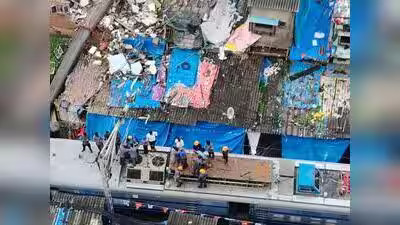
At around 2:40 a.m., a hydraulic crane being positioned at a demolition site in Qureshi Nagar tilted and collapsed. The incident injured 10 people, including a three-month-old infant, and caused significant damage to nearby structures, vehicles, and railway overhead equipment.
The crane had been brought to the site for demolition work, but according to the Mumbai Metropolitan Region Development Authority (MMRDA), demolition operations had not yet commenced when the crane tilted during positioning. The machinery fell towards an adjoining structure, affecting nearby slum huts, an MHADA building compound wall, parked vehicles and the railway’s overhead equipment.
The incident serves as an important reminder that serious accidents can occur even before the primary work activity begins. Equipment mobilisation, positioning and site preparation are themselves high-risk activities that require systematic planning and control.
What Happened at the Kurla Site?
The crane was deployed as part of demolition work involving a dilapidated building in Qureshi Nagar. While the hydraulic crane was being positioned, it became unstable and tilted towards an adjoining structure.
The collapse extended beyond the immediate work area. The crane damaged railway overhead equipment, nearby residential structures, an MHADA compound wall and several parked vehicles. Emergency responders rescued the injured, who were taken to nearby hospitals for treatment.
MMRDA subsequently stated that soft and muddy ground appeared to have affected the crane’s stability, making ground conditions a significant factor under investigation. Later reports also stated that an FIR was registered against the contractor, while MMRDA imposed a ₹25 lakh penalty and directed the contractor to address medical expenses, compensation and damage-related costs.
While investigations and accountability measures continue, the incident raises an essential safety question:
Were the ground conditions, equipment stability and surrounding hazards adequately assessed before the crane was positioned?
The Core Safety Issue: Stability Before Operation
A common misconception in heavy-equipment safety is that the greatest risk begins when a crane starts lifting a load.
In reality, the risk can begin much earlier.
Crane positioning, setup, access, ground preparation and deployment can create significant hazards if the site has not been adequately assessed.
For heavy lifting and demolition activities, ground bearing capacity and stability are fundamental safety considerations. Soft, uneven, unstable or inadequately prepared ground can affect equipment stability and increase the possibility of overturning.
The Kurla incident therefore reinforces the importance of treating equipment positioning as a critical safety activity, rather than as a routine preparatory step.
What Could Have Helped Prevent the Incident?
Although the final findings of the investigation should determine the definitive root cause, several established safety controls are particularly relevant to incidents involving crane stability.
1. Conduct a Thorough Ground Assessment
Before positioning heavy equipment, the worksite should be assessed for:
- Ground bearing capacity
- Soil condition and stability
- Soft or muddy areas
- Uneven surfaces
- Underground voids or services
- Drainage and water accumulation
- Potential settlement under heavy loads
Where necessary, suitable ground improvement, mats, steel plates or other engineered controls should be considered.
2. Verify Crane Setup and Stability
The crane should be positioned according to the manufacturer’s requirements and the approved lifting plan.
Critical factors such as:
- Crane configuration
- Ground support
- Outrigger positioning
- Load and radius
- Equipment capacity
- Site gradient
- Proximity to structures
must be evaluated before the operation begins.
3. Strengthen Risk Assessment and Method Statements
A comprehensive Risk Assessment and Method Statement (RAMS) should identify hazards associated with crane mobilisation, positioning and operation.
The assessment should not focus only on the lifting activity. It should consider the entire sequence of work, from equipment arrival and setup through completion.
4. Establish Effective Exclusion Zones
The Kurla incident demonstrates how an equipment failure can affect people and assets outside the immediate work area.
Where cranes operate near residential areas, roads, railway infrastructure or other occupied spaces, clearly defined exclusion zones and controlled access are essential.
Unauthorised personnel should not be exposed to the potential fall zone of heavy equipment.
5. Control Work Near Railway and Electrical Infrastructure
Working close to railway overhead equipment introduces additional hazards.
Before work begins, organisations should identify nearby electrical and railway infrastructure, establish safe working distances, coordinate with relevant authorities and implement appropriate isolation or protection measures wherever required.
6. Ensure Competent Supervision
Heavy equipment activities should be planned and supervised by competent personnel with the appropriate knowledge, training and experience.
Everyone involved—from operators and supervisors to lifting teams and site managers—must understand their responsibilities and the specific hazards associated with the work.
The Bigger Lesson for Organisations
The Kurla crane collapse is more than a reminder about crane safety.
It demonstrates a broader principle of workplace safety:
A safe operation begins long before the equipment starts working.
Site conditions, equipment selection, positioning, environmental hazards, nearby infrastructure and public exposure must all be considered during the planning stage.
When these factors are overlooked, a single equipment failure can quickly become a multi-dimensional incident involving people, property, infrastructure and public safety.
For organisations involved in construction, demolition, infrastructure and heavy-equipment operations, this is an opportunity to reassess whether their existing safety systems are genuinely preventing risks—or simply responding to them after something goes wrong.
How NIST Global Can Help
At NIST Global, we believe effective safety management starts with identifying hazards before they become incidents.
Through practical HSE training, risk management and competency development, organisations can equip their workforce with the knowledge required to recognise hazards, assess risks and implement effective controls.
From risk assessment and construction safety to lifting operations, equipment safety and incident prevention, safety competence plays a critical role in building workplaces where prevention becomes part of everyday decision-making.
The Kurla incident reminds us that safety cannot begin after an accident.
It must begin before the equipment is positioned, before the work starts and before people are exposed to the risk.
Build Competence. Strengthen Controls. Prevent Incidents.
Partner with NIST Global to strengthen your organisation’s safety capabilities through practical, industry-focused HSE training and solutions.